
Students Still Feeling the Impact of COVID-19 on Their Mental Health — What Houston Schools Are Facing
Read the full article from Houston Chronicle here.
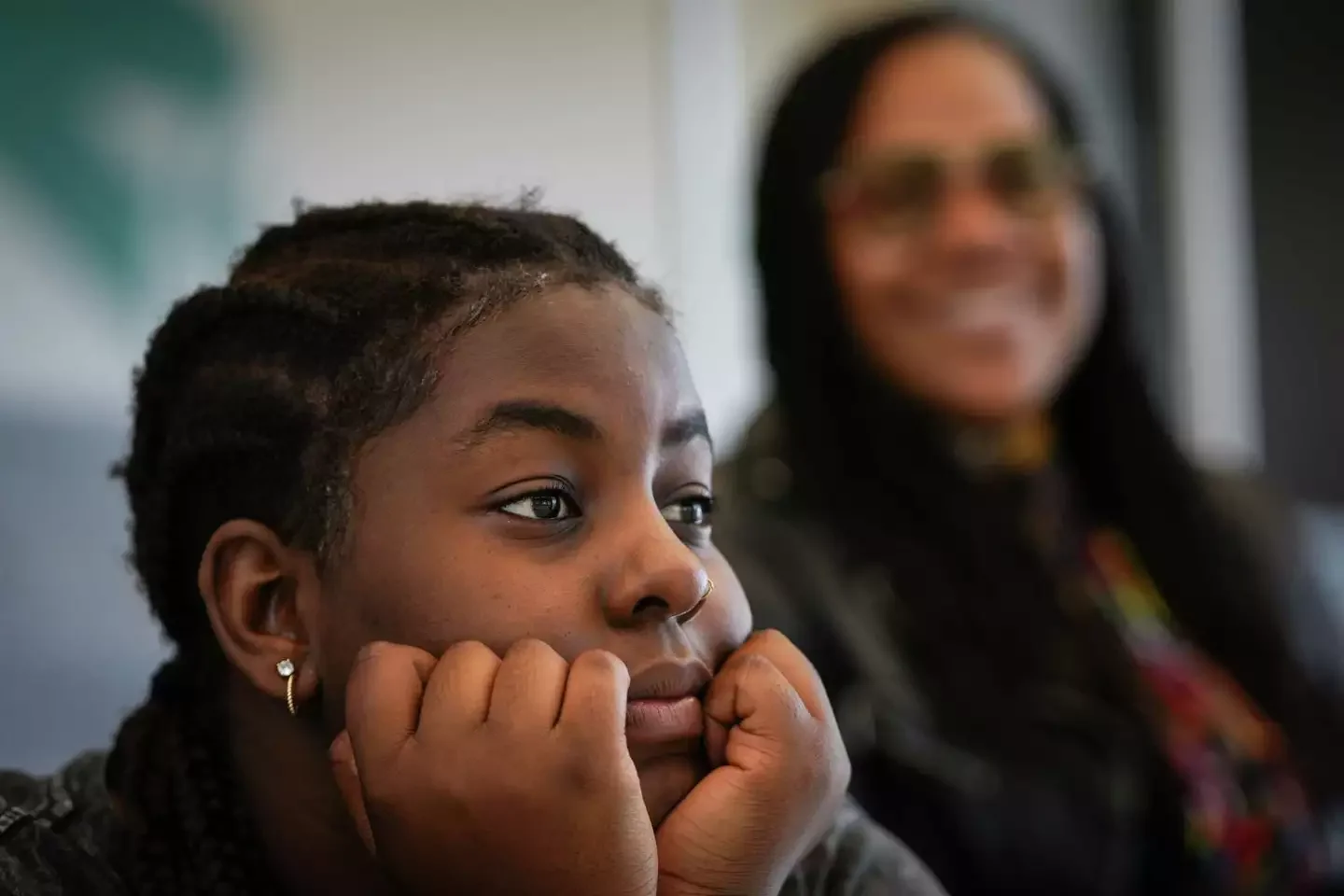
Photo Credit: Jon Shapley / Houston Chronicle
Five years after schools first closed their doors in the earliest days of the COVID-19 pandemic, students in Houston and across Texas continue to grapple with the lingering emotional toll of that disruption. Although classrooms reopened and routines largely returned to normal, the effects of isolation, stress, and fractured social connections have remained with many young people — shaping how they show up in school, in friendships, and in life.
Pandemic Impact Didn’t End with Remote Learning
For many students, the pattern began in 2020 and has persisted long after students returned to campus. As one local mental health expert put it, many young people still feel the aftereffects of prolonged isolation and reduced social interaction. That includes ongoing challenges with loneliness, difficulty connecting with peers and adults, and increased reliance on screens that can contribute to longer-term emotional stress.
Studies and local clinicians alike point to a broader trend: mental health struggles didn’t fade when the pandemic eased. In fact, some critical indicators worsened in the years that followed. By late 2022, data from Texas Children’s Hospital showed that emergency room visits related to children’s mental health crises had increased by 800% compared to pre-pandemic levels, underscoring the scale of need among young people seeking help. Houston Chronicle
Today’s Students Still Carry the Weight
Despite the end of remote learning, many students continue to feel the emotional impact. Surveys of counselors and mental health professionals in the region indicate a majority of students still need support for mental health concerns — including anxiety, depression, and emotional dysregulation. One local behavioral needs assessment found that around 60% of students were identified as needing mental health help by school professionals.
Behind those numbers are real experiences of students struggling to navigate feelings that have been lingering since the earliest days of the pandemic. For many, school is more than a place to learn math or reading — it’s a place where peer connection, consistent routine, and relationships with adults help anchor their sense of stability and hope.
Challenges for Schools and Families
These ongoing mental health needs present complex challenges for educators, families, and policymakers. Though schools added counselors and specialized staff during the pandemic using federal relief funds, much of that support was temporary. As funding streams change, districts face the difficult task of maintaining mental health resources with limited long-term financial commitments.
And while guidance counselors and educators are trained to recognize signs of distress, many report that student needs far exceed what traditional school staffing models can support. In some cases, the pace of need has outstripped the number of professionals available on campus to provide direct care.
Why Ongoing Support Matters
Understanding that the effects of COVID-19 on student well-being are still with us helps explain trends educators see every day — from increases in chronic absenteeism to behaviors tied to stress and anxiety. It also highlights why consistent, integrated supports such as mental health counseling, stable relationships with adults, and individualized guidance can make the difference for students who are struggling silently. Programs that place trained professionals directly in schools help ensure students don’t fall further behind simply because they lack access to care.
For communities invested in student success, this moment is a reminder that recovery from COVID-19 isn’t just about academic catch-up; it’s about healing the emotional and relational wounds that linger long after the virus itself receded.